



Irina Slav
Irina is a writer for Oilprice.com with over a decade of experience writing on the oil and gas industry.
Premium Content
By Irina Slav – Aug 18, 2025, 3:00 PM CDT
- The return of previously curtailed oil production by OPEC+ members is killing U.S. shale growth.
- Although rumors of shale’s peak may be premature, there appears to be a consensus that the immediate future does not hold large output gains for the shale patch.
- IEA: crude demand growth was much weaker than anticipated in early 2025, while supply was much higher than previously thought.
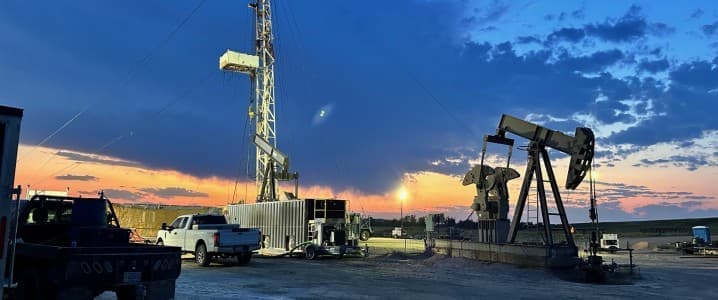
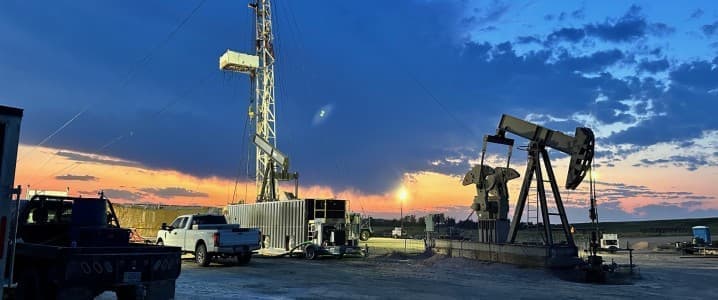
The return of previously curtailed oil production by OPEC+ members is killing U.S. shale growth, with industry executives referring to it as a “price war” to the Financial Times. A prediction by the IEA of a deep oil glut is not helping, either. The shale industry is facing tough times.
“We are not going to be putting any more rigs out until prices get back and stabilise in the $75 range ahead. You will see US production start to drop in the fall and into 2026,” the chief executive of Latigo Petroleum, Kirk Edwards, told the FT.
Yet this contrasts with statements made by Exxon and Chevron, both of which have extensive presence in the U.S. shale patch and both of which have production growth plans for that patch. It also contrasts with a 180-degree turn in sentiment that Diamondback Energy did this month, when its new chief executive saying that the shale industry was “pushing the limits of efficiency”. That followed a warning by the previous incumbent in April, who said that shale oil growth had essentially peaked at the level that oil prices were at the time.
Although rumors of shale’s peak may be premature, there appears to be a consensus that the immediate future does not hold massive output gains for the shale patch. The main reason appears to be, as usual, OPEC+.
Related: China’s Fuel Exports Jump to 13-Month High
“The best way [for Opec] to gain market share is to keep oil prices in the $60s range for several years. This will reduce investment in US shale, Canada, Brazil and oil exploration around the world . . . [it] will force consolidation,” Scott Sheffield, the former chief executive of Pioneer Natural Resources, which Exxon acquired, told the Financial Times.
That may indeed be a good way for OPEC to gain market share, but the problem, at least based on industry reports, is that OPEC can hardly afford to keep prices around $60 for several years. In fact, a report by the Financial Times from last week suggested Saudi Arabia is already feeling the pinch from the oil price weakness, having to curb spending on its diversification plans. The report cited the chief economist of the Abu Dhabi Commercial Bank as saying that “A sharper and sustained fall in the oil price would require a deeper retrenchment in government spending to contain the size of the shortfall and the building in government debt.”
Demand, as projected by the International Energy Agency, is not helping either OPEC+ or the shale industry, either. Per the IEA, crude demand growth was much weaker than anticipated in early 2025, while supply was much higher than previously thought as the OPEC+ group accelerated the rollback of 2.2 million barrels per day in oil production cuts and will have reversed these by the end of September. The IEA forecast demand growth of just 680,000 bpd this year, inching up to 700,000 bpd in 2026.
This state of oil’s fundamentals would lead to an all-time high glut in global inventories, exceeding even their levels from 2020 and the pandemic lockdowns. Now, it is an established fact that the IEA does not always get its forecasts right, and this may be an example of such a forecast. With no pandemic on the horizon for next year, oil demand growth must somehow slow down a lot more considerably than it has so far this year for the record glut to materialize—and both OPEC+ and U.S. shale would need to keep pumping. But at least one of those is not doing that, as suggested by the Financial Times report.
There has been a lot of talk about efficiency gains in the shale space, and, indeed, there have been a lot of these gains taking place. But efficiency gains do have a limit, and it appears that the U.S. shale industry is near that limit. There is also a price level below which production growth simply does not make sense until the balance between supply and demand returns. Indeed, the IEA said in its latest Short-Term Energy Outlook that “Low oil prices in early 2026 will lead to a reduction in supply by both OPEC+ and some non-OPEC producers, which we expect will help moderate inventory builds later in 2026.”
The twist in the oil story hides in the demand side. In every monthly oil market report it issues, the IEA cites EV sales growth as a major factor driving oil demand lower—except this month. This month, the IEA attributed lower demand growth in key markets such as India, Brazil, and China to an overall lackluster economy. That could easily be attributed to the effect of tariffs, of which Trump imposed a generous amount on these key markets. The moment the effect of these tariffs on U.S. shale production becomes palpable, things may well change.
By Irina Slav for Oilprice.com
More Top Reads From Oilprice.com
- China’s Fuel Exports Jump to 13-Month High
- China Maintained Strong Oil Refining Output in July
- Devon Energy and Centrica Ink Major LNG Supply Deal
Download The Free Oilprice App Today


Irina Slav
Irina is a writer for Oilprice.com with over a decade of experience writing on the oil and gas industry.
Related posts
Irina Slav
Irina is a writer for Oilprice.com with over a decade of experience writing on the oil and gas industry.
Premium Content
By Irina Slav – Aug 18, 2025, 3:00 PM CDT
- The return of previously curtailed oil production by OPEC+ members is killing U.S. shale growth.
- Although rumors of shale’s peak may be premature, there appears to be a consensus that the immediate future does not hold large output gains for the shale patch.
- IEA: crude demand growth was much weaker than anticipated in early 2025, while supply was much higher than previously thought.
The return of previously curtailed oil production by OPEC+ members is killing U.S. shale growth, with industry executives referring to it as a “price war” to the Financial Times. A prediction by the IEA of a deep oil glut is not helping, either. The shale industry is facing tough times.
“We are not going to be putting any more rigs out until prices get back and stabilise in the $75 range ahead. You will see US production start to drop in the fall and into 2026,” the chief executive of Latigo Petroleum, Kirk Edwards, told the FT.
Yet this contrasts with statements made by Exxon and Chevron, both of which have extensive presence in the U.S. shale patch and both of which have production growth plans for that patch. It also contrasts with a 180-degree turn in sentiment that Diamondback Energy did this month, when its new chief executive saying that the shale industry was “pushing the limits of efficiency”. That followed a warning by the previous incumbent in April, who said that shale oil growth had essentially peaked at the level that oil prices were at the time.
Although rumors of shale’s peak may be premature, there appears to be a consensus that the immediate future does not hold massive output gains for the shale patch. The main reason appears to be, as usual, OPEC+.
Related: China’s Fuel Exports Jump to 13-Month High
“The best way [for Opec] to gain market share is to keep oil prices in the $60s range for several years. This will reduce investment in US shale, Canada, Brazil and oil exploration around the world . . . [it] will force consolidation,” Scott Sheffield, the former chief executive of Pioneer Natural Resources, which Exxon acquired, told the Financial Times.
That may indeed be a good way for OPEC to gain market share, but the problem, at least based on industry reports, is that OPEC can hardly afford to keep prices around $60 for several years. In fact, a report by the Financial Times from last week suggested Saudi Arabia is already feeling the pinch from the oil price weakness, having to curb spending on its diversification plans. The report cited the chief economist of the Abu Dhabi Commercial Bank as saying that “A sharper and sustained fall in the oil price would require a deeper retrenchment in government spending to contain the size of the shortfall and the building in government debt.”
Demand, as projected by the International Energy Agency, is not helping either OPEC+ or the shale industry, either. Per the IEA, crude demand growth was much weaker than anticipated in early 2025, while supply was much higher than previously thought as the OPEC+ group accelerated the rollback of 2.2 million barrels per day in oil production cuts and will have reversed these by the end of September. The IEA forecast demand growth of just 680,000 bpd this year, inching up to 700,000 bpd in 2026.
This state of oil’s fundamentals would lead to an all-time high glut in global inventories, exceeding even their levels from 2020 and the pandemic lockdowns. Now, it is an established fact that the IEA does not always get its forecasts right, and this may be an example of such a forecast. With no pandemic on the horizon for next year, oil demand growth must somehow slow down a lot more considerably than it has so far this year for the record glut to materialize—and both OPEC+ and U.S. shale would need to keep pumping. But at least one of those is not doing that, as suggested by the Financial Times report.
There has been a lot of talk about efficiency gains in the shale space, and, indeed, there have been a lot of these gains taking place. But efficiency gains do have a limit, and it appears that the U.S. shale industry is near that limit. There is also a price level below which production growth simply does not make sense until the balance between supply and demand returns. Indeed, the IEA said in its latest Short-Term Energy Outlook that “Low oil prices in early 2026 will lead to a reduction in supply by both OPEC+ and some non-OPEC producers, which we expect will help moderate inventory builds later in 2026.”
The twist in the oil story hides in the demand side. In every monthly oil market report it issues, the IEA cites EV sales growth as a major factor driving oil demand lower—except this month. This month, the IEA attributed lower demand growth in key markets such as India, Brazil, and China to an overall lackluster economy. That could easily be attributed to the effect of tariffs, of which Trump imposed a generous amount on these key markets. The moment the effect of these tariffs on U.S. shale production becomes palpable, things may well change.
By Irina Slav for Oilprice.com
More Top Reads From Oilprice.com
- China’s Fuel Exports Jump to 13-Month High
- China Maintained Strong Oil Refining Output in July
- Devon Energy and Centrica Ink Major LNG Supply Deal
Download The Free Oilprice App Today
Irina Slav
Irina is a writer for Oilprice.com with over a decade of experience writing on the oil and gas industry.