


BEIJING (Reuters) – China has expanded the scope of a consumer goods trade-in scheme and will give more subsidies for digital purchases this year, in an effort to revive sluggish domestic demand, an official policy document showed on Wednesday.
The measures follow a series of fiscal and monetary policy announcements made since September to consolidate economic growth around 5% in 2024 and 2025 and soften the blow from an expected increase in U.S. trade tariffs.
Below is a list of recent policies:
January 2025 – Millions of government workers across China are given surprise wage increases. The immediate payout would amount to a one-time shot to the economy of between about $12 billion and $20 billion.
Dec. 24 – Reuters reports authorities had agreed to issue 3 trillion yuan ($409.19 billion) worth of special treasury bonds in 2025, the highest annual amount on record.
Dec. 17 – Reuters reports Beijing would target a budget deficit of 4% of gross domestic product (GDP) next year, while maintaining an economic growth target of around 5%.
Dec. 12 – China’s top leaders pledge to increase the budget deficit, issue more debt and loosen monetary policy to maintain a stable economic growth rate, according to a summary of the Central Economic Work Conference.
Dec. 11 – Reuters reports China’s top leaders are considering allowing the yuan to weaken in 2025 as they brace for higher U.S. trade tariffs.
Dec. 9 – China switches to an “appropriately loose” monetary policy stance from a previously “prudent” posture, the first such change in about 14 years, according to a readout from a meeting of top Communist Party officials.
Nov. 13 – China announces tax incentives on home and land transactions, aiming to support the crisis-hit property market by increasing demand and easing developers’ financial difficulties.
Nov. 8 – China unveils a 10 trillion yuan ($1.36 trillion) debt package to ease local government financing strains and stabilise growth.
Oct. 21 – China cuts its benchmark lending rates by 25 basis points.
Oct. 17 – The housing authority announces plans to expand the “white list” of unfinished projects eligible for funding and increase bank lending to 4 trillion yuan by year-end.
Oct. 12 – The finance ministry pledges to “significantly increase” debt, support indebted local governments and offer subsidies to low-income people.
Sept. 29 – The southern city of Guangzhou becomes the first top-tier city to lift all restrictions on home purchases. Beijing, Shanghai and Shenzhen also relaxed curbs on purchases by non-local buyers.
Sept. 27 – The central bank trims reserve requirement ratios by 50 basis points and also cuts the benchmark seven-day reverse repurchase agreements rate by 20 basis points.
Sept. 26 – Chinese leaders pledge to deploy “necessary fiscal spending” to spur growth, according to a Politburo meeting on the economic situation.
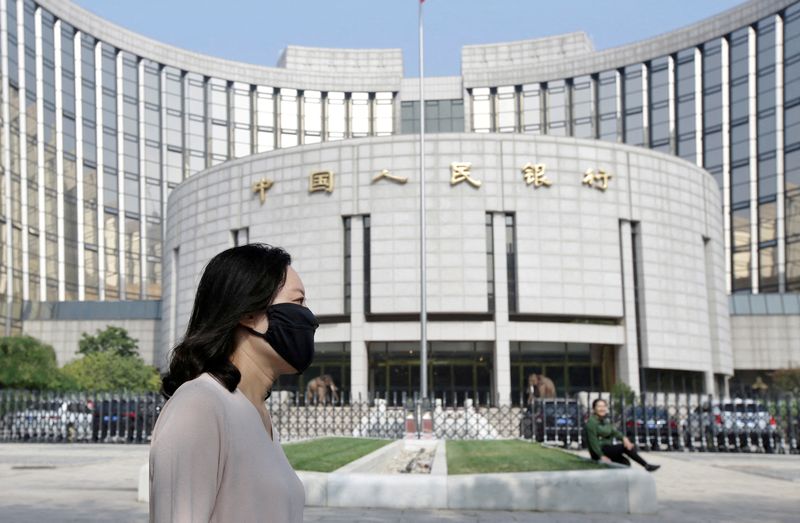
Sept. 24 – The central bank unveils the most aggressive monetary stimulus measures since COVID-19, announcing broad interest rate cuts, including on existing mortgages, trimming the minimum down payment ratio to 15% for all types of buyers, and fresh funding for equity purchases.
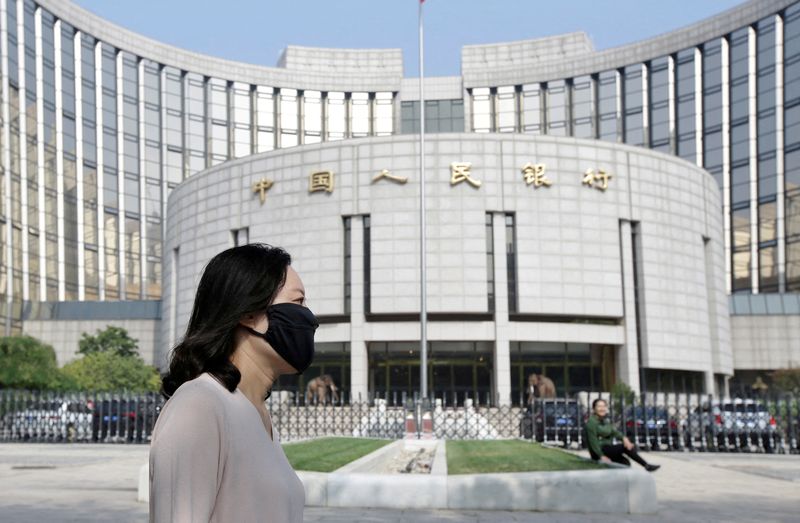
The PBOC also introduces two new tools to support capital markets. The first – a swap programme sized at an initial 500 billion yuan – allows funds, insurers and brokers easier access to funding in order to buy stocks. The second provides up to 300 billion yuan in cheap PBOC loans to commercial banks to help them fund other entities’ share purchases and buybacks.
($1 = 7.3316 )
BEIJING (Reuters) – China has expanded the scope of a consumer goods trade-in scheme and will give more subsidies for digital purchases this year, in an effort to revive sluggish domestic demand, an official policy document showed on Wednesday.
The measures follow a series of fiscal and monetary policy announcements made since September to consolidate economic growth around 5% in 2024 and 2025 and soften the blow from an expected increase in U.S. trade tariffs.
Below is a list of recent policies:
January 2025 – Millions of government workers across China are given surprise wage increases. The immediate payout would amount to a one-time shot to the economy of between about $12 billion and $20 billion.
Dec. 24 – Reuters reports authorities had agreed to issue 3 trillion yuan ($409.19 billion) worth of special treasury bonds in 2025, the highest annual amount on record.
Dec. 17 – Reuters reports Beijing would target a budget deficit of 4% of gross domestic product (GDP) next year, while maintaining an economic growth target of around 5%.
Dec. 12 – China’s top leaders pledge to increase the budget deficit, issue more debt and loosen monetary policy to maintain a stable economic growth rate, according to a summary of the Central Economic Work Conference.
Dec. 11 – Reuters reports China’s top leaders are considering allowing the yuan to weaken in 2025 as they brace for higher U.S. trade tariffs.
Dec. 9 – China switches to an “appropriately loose” monetary policy stance from a previously “prudent” posture, the first such change in about 14 years, according to a readout from a meeting of top Communist Party officials.
Nov. 13 – China announces tax incentives on home and land transactions, aiming to support the crisis-hit property market by increasing demand and easing developers’ financial difficulties.
Nov. 8 – China unveils a 10 trillion yuan ($1.36 trillion) debt package to ease local government financing strains and stabilise growth.
Oct. 21 – China cuts its benchmark lending rates by 25 basis points.
Oct. 17 – The housing authority announces plans to expand the “white list” of unfinished projects eligible for funding and increase bank lending to 4 trillion yuan by year-end.
Oct. 12 – The finance ministry pledges to “significantly increase” debt, support indebted local governments and offer subsidies to low-income people.
Sept. 29 – The southern city of Guangzhou becomes the first top-tier city to lift all restrictions on home purchases. Beijing, Shanghai and Shenzhen also relaxed curbs on purchases by non-local buyers.
Sept. 27 – The central bank trims reserve requirement ratios by 50 basis points and also cuts the benchmark seven-day reverse repurchase agreements rate by 20 basis points.
Sept. 26 – Chinese leaders pledge to deploy “necessary fiscal spending” to spur growth, according to a Politburo meeting on the economic situation.
Sept. 24 – The central bank unveils the most aggressive monetary stimulus measures since COVID-19, announcing broad interest rate cuts, including on existing mortgages, trimming the minimum down payment ratio to 15% for all types of buyers, and fresh funding for equity purchases.
The PBOC also introduces two new tools to support capital markets. The first – a swap programme sized at an initial 500 billion yuan – allows funds, insurers and brokers easier access to funding in order to buy stocks. The second provides up to 300 billion yuan in cheap PBOC loans to commercial banks to help them fund other entities’ share purchases and buybacks.
($1 = 7.3316 )