




Alex Kimani
Alex Kimani is a veteran finance writer, investor, engineer and researcher for Safehaven.com.
Premium Content
By Alex Kimani – Sep 21, 2025, 4:00 PM CDT
- Vietnam is implementing new security reforms that mandate police approval for foreign investments in energy, construction, and telecommunications, as well as supervision of foreign aid projects.
- The increased police oversight is expected to raise compliance costs and the overall cost of doing business for foreign investors in Vietnam.
- Despite strong economic growth, Vietnam’s energy sector faces challenges like past crises and investor withdrawals due to regulatory hurdles, even as the country aims to expand its offshore wind capacity.
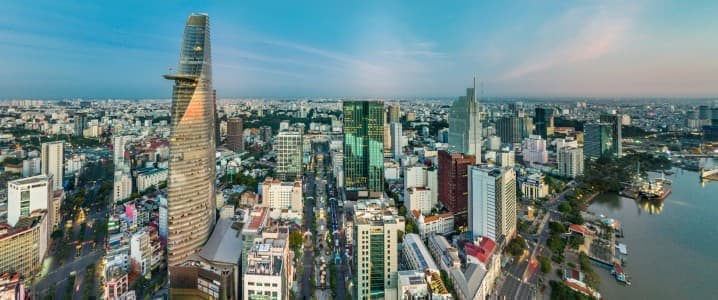
Investors who wish to put their money in Vietnam’s energy, construction and telecommunications sectors will now require police approvals for their projects as the government moves to boost security and ensure “absolute leadership.” The security ministry will also supervise and inspect foreign aid projects in a bid to comprehensively appraise their potential impacts on security and social order. “In socio-economic development, security must be ensured, without sacrificing national interests for economic benefits,” said the security ministry’s website.
Vietnamese police already play a major role in the country’s legislation as well as growing interests in the economy. To Lam, Vietnam’s most powerful man, was head of the security ministry before he became the General Secretary of the Communist Party of Vietnam. The country’s army also oversees a wide array of businesses, including banks and telecom operator Viettel.
The proposal by the public security ministry is likely to increase compliance costs and the cost of doing business in the Southeast Asian country even as the ruling Communist Party looks to expand the powers of the security apparatus. U.S. giant chipmaker Intel, Honda and Samsung Electronics have set up shop in Vietnam in a bid to take advantage of low labor costs. However, they frequently complain about slow project approvals.
In recent years, Vietnam has faced an energy crisis, triggered by extreme weather including drought impacting hydropower, and rapidly increasing electricity demand from its expanding industrial sector. The resulting power cuts caused significant economic losses, especially for foreign manufacturers, and exposed the vulnerability of the nation’s power grid and its limited capacity. The government has since taken steps to address the crisis, but challenges remain in balancing energy supply with demand and investing in a robust, modern energy infrastructure.
Last year, Norway’s state-controlled energy giant Equinor ASA (NYSE:EQNR) abandoned plans to invest in Vietnam’s offshore wind sector, dealing a significant blow to the country’s green energy ambitions. This marked the first time Equinor has abandoned offshore wind development; in contrast, the company has previously exited more than a dozen fossil fuel projects to focus on renewables and low-carbon systems. In 2023, Danish offshore wind giant Ørsted A/S (OTCPK:DNNGY) also paused its multi-gigawatt offshore wind plans in Vietnam, again due to regulatory challenges.
According to the World Bank, over the past couple of years, Vietnam has attracted plenty of interest in its clean energy sector thanks to the country’s strong winds in shallow waters near coastal, densely populated areas. Unfortunately, political turbulence in the country has paralyzed regulatory reforms and discouraged investors.
“We have decided to discontinue our business development in Vietnam and to close our office in Hanoi,” Magnus Frantzen Eidsvold, an Equinor spokesperson, said in an interview.
Vietnam has no installed offshore wind capacity but plans to install wind farms for 6 gigawatt (GW) by 2030, equal to 4% of its planned capacity. The offshore wind push is part of the country’s goal to cut reliance on coal generation and reach net zero carbon emissions by the middle of the century. The communist government is pushing to assign to state-owned companies the first pilot project on offshore wind, a move that investors are opposed to because the domestic sector does not have enough capacity.
Currently, 40% of the global population lives within 60 miles of the ocean, making offshore wind an attractive clean energy alternative. Unfortunately, in recent years, dozens of offshore wind projects around the world have been delayed or canceled as costs have skyrocketed and supply chain disruptions have swelled. Last year, Ørsted canceled its highly anticipated Ocean Wind 1 and Ocean Wind 2 projects in the U.S. citing rising interest rates, high inflation, and supply chain bottlenecks. The two projects would have supplied just over 2.2 gigawatts to the New Jersey grid–enough energy to power over a million homes.
On a more positive note, Vietnam’s economy remains in the pink of health, with strong GDP growth in 2024 at 7.1%, and optimistic forecasts for 2025 and beyond. Vietnam’s economy posted robust GDP growth of 7.52% in the first half of 2025 driven by rapid growth in the services and manufacturing sectors, defying global trade tensions including U.S. tariffs. However, growth is expected to moderate slightly due to global economic slowdowns and trade uncertainties. Key growth drivers include a recovering real estate market, increased public investment, and a booming domestic services sector. However, Vietnam’s openness to the global economy means it’s susceptible to slower growth in its major trading partners, impacting exports and manufacturing.
By Alex Kimani for Oilprice.com
More Top Reads From Oilprice.com
- What’s The Real Reason Behind OPEC+’s Surprise Oil Production Boost?
- Russia’s Oil and Gas Revenues Face Significant September Decline
- U.S. Oil Rig Count Rises for Third Consecutive Week
Download The Free Oilprice App Today


Alex Kimani
Alex Kimani is a veteran finance writer, investor, engineer and researcher for Safehaven.com.
Related posts
Alex Kimani
Alex Kimani is a veteran finance writer, investor, engineer and researcher for Safehaven.com.
Premium Content
By Alex Kimani – Sep 21, 2025, 4:00 PM CDT
- Vietnam is implementing new security reforms that mandate police approval for foreign investments in energy, construction, and telecommunications, as well as supervision of foreign aid projects.
- The increased police oversight is expected to raise compliance costs and the overall cost of doing business for foreign investors in Vietnam.
- Despite strong economic growth, Vietnam’s energy sector faces challenges like past crises and investor withdrawals due to regulatory hurdles, even as the country aims to expand its offshore wind capacity.
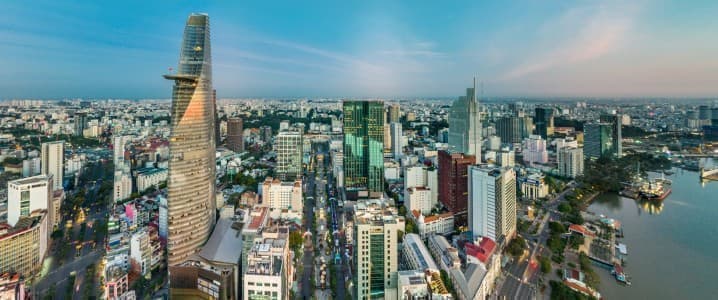
Investors who wish to put their money in Vietnam’s energy, construction and telecommunications sectors will now require police approvals for their projects as the government moves to boost security and ensure “absolute leadership.” The security ministry will also supervise and inspect foreign aid projects in a bid to comprehensively appraise their potential impacts on security and social order. “In socio-economic development, security must be ensured, without sacrificing national interests for economic benefits,” said the security ministry’s website.
Vietnamese police already play a major role in the country’s legislation as well as growing interests in the economy. To Lam, Vietnam’s most powerful man, was head of the security ministry before he became the General Secretary of the Communist Party of Vietnam. The country’s army also oversees a wide array of businesses, including banks and telecom operator Viettel.
The proposal by the public security ministry is likely to increase compliance costs and the cost of doing business in the Southeast Asian country even as the ruling Communist Party looks to expand the powers of the security apparatus. U.S. giant chipmaker Intel, Honda and Samsung Electronics have set up shop in Vietnam in a bid to take advantage of low labor costs. However, they frequently complain about slow project approvals.
In recent years, Vietnam has faced an energy crisis, triggered by extreme weather including drought impacting hydropower, and rapidly increasing electricity demand from its expanding industrial sector. The resulting power cuts caused significant economic losses, especially for foreign manufacturers, and exposed the vulnerability of the nation’s power grid and its limited capacity. The government has since taken steps to address the crisis, but challenges remain in balancing energy supply with demand and investing in a robust, modern energy infrastructure.
Last year, Norway’s state-controlled energy giant Equinor ASA (NYSE:EQNR) abandoned plans to invest in Vietnam’s offshore wind sector, dealing a significant blow to the country’s green energy ambitions. This marked the first time Equinor has abandoned offshore wind development; in contrast, the company has previously exited more than a dozen fossil fuel projects to focus on renewables and low-carbon systems. In 2023, Danish offshore wind giant Ørsted A/S (OTCPK:DNNGY) also paused its multi-gigawatt offshore wind plans in Vietnam, again due to regulatory challenges.
According to the World Bank, over the past couple of years, Vietnam has attracted plenty of interest in its clean energy sector thanks to the country’s strong winds in shallow waters near coastal, densely populated areas. Unfortunately, political turbulence in the country has paralyzed regulatory reforms and discouraged investors.
“We have decided to discontinue our business development in Vietnam and to close our office in Hanoi,” Magnus Frantzen Eidsvold, an Equinor spokesperson, said in an interview.
Vietnam has no installed offshore wind capacity but plans to install wind farms for 6 gigawatt (GW) by 2030, equal to 4% of its planned capacity. The offshore wind push is part of the country’s goal to cut reliance on coal generation and reach net zero carbon emissions by the middle of the century. The communist government is pushing to assign to state-owned companies the first pilot project on offshore wind, a move that investors are opposed to because the domestic sector does not have enough capacity.
Currently, 40% of the global population lives within 60 miles of the ocean, making offshore wind an attractive clean energy alternative. Unfortunately, in recent years, dozens of offshore wind projects around the world have been delayed or canceled as costs have skyrocketed and supply chain disruptions have swelled. Last year, Ørsted canceled its highly anticipated Ocean Wind 1 and Ocean Wind 2 projects in the U.S. citing rising interest rates, high inflation, and supply chain bottlenecks. The two projects would have supplied just over 2.2 gigawatts to the New Jersey grid–enough energy to power over a million homes.
On a more positive note, Vietnam’s economy remains in the pink of health, with strong GDP growth in 2024 at 7.1%, and optimistic forecasts for 2025 and beyond. Vietnam’s economy posted robust GDP growth of 7.52% in the first half of 2025 driven by rapid growth in the services and manufacturing sectors, defying global trade tensions including U.S. tariffs. However, growth is expected to moderate slightly due to global economic slowdowns and trade uncertainties. Key growth drivers include a recovering real estate market, increased public investment, and a booming domestic services sector. However, Vietnam’s openness to the global economy means it’s susceptible to slower growth in its major trading partners, impacting exports and manufacturing.
By Alex Kimani for Oilprice.com
More Top Reads From Oilprice.com
- What’s The Real Reason Behind OPEC+’s Surprise Oil Production Boost?
- Russia’s Oil and Gas Revenues Face Significant September Decline
- U.S. Oil Rig Count Rises for Third Consecutive Week
Download The Free Oilprice App Today
Alex Kimani
Alex Kimani is a veteran finance writer, investor, engineer and researcher for Safehaven.com.