




Haley Zaremba
Haley Zaremba is a writer and journalist based in Mexico City. She has extensive experience writing and editing environmental features, travel pieces, local news in the…
Set us as your preferred Google source
Premium Content
By Haley Zaremba – Nov 22, 2025, 12:00 PM CST
- Africa is at a crossroads, balancing the immediate benefits of cheap Chinese solar technology and investment against the long-term goal of achieving energy independence and sovereignty.
- The continent faces a massive energy challenge due to population and development booms, with power generation capacity needing to increase tenfold by 2065, a task made harder by rich nations’ broken climate financing pledges.
- African climate leaders are asserting that the continent, which holds over 30 percent of the world’s critical minerals, should become an industrial actor in the clean energy transition, as local solar manufacturing can be cost-competitive with China.
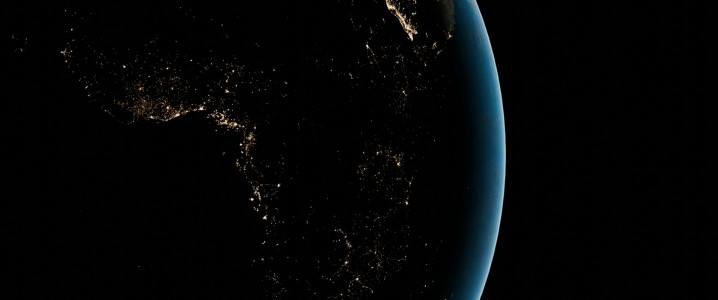
Africa is at a clean energy crossroads. Cheap solar panels and critical lines of funding from China are affording the continent the opportunity to develop the African clean energy sector, but this access to affordable supply chains and abundant international investment comes at the cost of the continent’s energy sovereignty. African leaders must now decide if they want to take the low-hanging fruit of cooperation with China, or take the much harder road of forging their own supply chains for aid-free energy independence.
Africa is in a tough spot when it comes to energy development. The resource-rich, cash-poor continent is facing twin development and population booms. As more and more people start to connect to African grids, energy demand across the continent is set to skyrocket. But instead of building out its naturally abundant fossil fuel resources, as developed nations have previously done, Africa is expected to “leapfrog” over this next phase of development and dive straight into a clean energy revolution.
This is a tall order. At present, Africa has some of the most underdeveloped energy grids in the world, with around 600 million people lacking access to electricity entirely. Without heroic levels of investment and expansion, this gap is going to yawn ever wider as the continent’s energy demand increases by a projected factor of three over the next decade as sub-Saharan Africa grows, develops, and industrializes. Africa’s population is expected to double between now and 2050, and by midcentury a quarter of the global population will be in sub-Saharan Africa. In light of this population and development boom, meeting projected demand will require power generation capacity to increase ten-fold by 2065.
Recognizing the scale of this challenge, rich nations promised to funnel billions of dollars of climate financing into developing economies to help meet international climate goals as well as to pay a sort of climate reparations. Africa is the continent that contributes the least to greenhouse gas emissions, both per capita and in total, but stands to suffer the most from a changing climate. But the promise of climate financing never came to fruition, with rich nations continuously breaking their pledges and falling short of paying their fair share of climate funding.
Set OilPrice.com as a preferred source in Google here.
With an intensifying energy trilemma and a trail of broken international promises, African leaders have not had the luxury of being choosy about their development pathways – and China has recognized a golden opportunity to cash in on the African opportunity at the ground floor, cementing its influence in the region. However, many African leaders are asserting that it is high time to keep Africa’s wealth in Africa.
“African climate leaders say the continent, which holds more than 30 percent of the world’s critical minerals, should be an industrial actor — not an importer — in the clean energy transition,” Clean Technica reported earlier this week.
This was one of the key points raised by Carlos Lopes, special envoy for Africa for the president of the COP30 climate conference currently taking place in Brazil. He suggested that “money spent on importing panels, turbines, and software could be used to fund African clean energy design labs and create regional research hubs where local engineers could adapt foreign technology,” Clean Technica reports.
A 2023 study from the UN-backed organization Sustainable Energy for All (an organization) found that solar module manufacturing in some African countries was “already cost competitive with equivalent manufacturing in China.” If harnessed, this could help jettison Africa into major-player status in global clean energy manufacturing. However, this will ultimately do little to solve the continent’s energy insecurity if all of the panels it produces are destined for foreign markets – a likely outcome without strong political coordination and cooperation across Africa. International development specialists have stressed for years that African countries risk being exploited for their abundant energy resources without controlling the benefits.
By Haley Zaremba for Oilprice.com
More Top Reads From Oilprice.com
- Abu Dhabi Conglomerate Enters Bidding War for Lukoil Assets
- Venezuela Doubles Down on Energy Alliance with Russia
- Why the Suits Are Skipping Climate Summits
Download The Free Oilprice App Today


Haley Zaremba
Haley Zaremba is a writer and journalist based in Mexico City. She has extensive experience writing and editing environmental features, travel pieces, local news in the…
Related posts
Haley Zaremba
Haley Zaremba is a writer and journalist based in Mexico City. She has extensive experience writing and editing environmental features, travel pieces, local news in the…
Set us as your preferred Google source
Premium Content
By Haley Zaremba – Nov 22, 2025, 12:00 PM CST
- Africa is at a crossroads, balancing the immediate benefits of cheap Chinese solar technology and investment against the long-term goal of achieving energy independence and sovereignty.
- The continent faces a massive energy challenge due to population and development booms, with power generation capacity needing to increase tenfold by 2065, a task made harder by rich nations’ broken climate financing pledges.
- African climate leaders are asserting that the continent, which holds over 30 percent of the world’s critical minerals, should become an industrial actor in the clean energy transition, as local solar manufacturing can be cost-competitive with China.
Africa is at a clean energy crossroads. Cheap solar panels and critical lines of funding from China are affording the continent the opportunity to develop the African clean energy sector, but this access to affordable supply chains and abundant international investment comes at the cost of the continent’s energy sovereignty. African leaders must now decide if they want to take the low-hanging fruit of cooperation with China, or take the much harder road of forging their own supply chains for aid-free energy independence.
Africa is in a tough spot when it comes to energy development. The resource-rich, cash-poor continent is facing twin development and population booms. As more and more people start to connect to African grids, energy demand across the continent is set to skyrocket. But instead of building out its naturally abundant fossil fuel resources, as developed nations have previously done, Africa is expected to “leapfrog” over this next phase of development and dive straight into a clean energy revolution.
This is a tall order. At present, Africa has some of the most underdeveloped energy grids in the world, with around 600 million people lacking access to electricity entirely. Without heroic levels of investment and expansion, this gap is going to yawn ever wider as the continent’s energy demand increases by a projected factor of three over the next decade as sub-Saharan Africa grows, develops, and industrializes. Africa’s population is expected to double between now and 2050, and by midcentury a quarter of the global population will be in sub-Saharan Africa. In light of this population and development boom, meeting projected demand will require power generation capacity to increase ten-fold by 2065.
Recognizing the scale of this challenge, rich nations promised to funnel billions of dollars of climate financing into developing economies to help meet international climate goals as well as to pay a sort of climate reparations. Africa is the continent that contributes the least to greenhouse gas emissions, both per capita and in total, but stands to suffer the most from a changing climate. But the promise of climate financing never came to fruition, with rich nations continuously breaking their pledges and falling short of paying their fair share of climate funding.
Set OilPrice.com as a preferred source in Google here.
With an intensifying energy trilemma and a trail of broken international promises, African leaders have not had the luxury of being choosy about their development pathways – and China has recognized a golden opportunity to cash in on the African opportunity at the ground floor, cementing its influence in the region. However, many African leaders are asserting that it is high time to keep Africa’s wealth in Africa.
“African climate leaders say the continent, which holds more than 30 percent of the world’s critical minerals, should be an industrial actor — not an importer — in the clean energy transition,” Clean Technica reported earlier this week.
This was one of the key points raised by Carlos Lopes, special envoy for Africa for the president of the COP30 climate conference currently taking place in Brazil. He suggested that “money spent on importing panels, turbines, and software could be used to fund African clean energy design labs and create regional research hubs where local engineers could adapt foreign technology,” Clean Technica reports.
A 2023 study from the UN-backed organization Sustainable Energy for All (an organization) found that solar module manufacturing in some African countries was “already cost competitive with equivalent manufacturing in China.” If harnessed, this could help jettison Africa into major-player status in global clean energy manufacturing. However, this will ultimately do little to solve the continent’s energy insecurity if all of the panels it produces are destined for foreign markets – a likely outcome without strong political coordination and cooperation across Africa. International development specialists have stressed for years that African countries risk being exploited for their abundant energy resources without controlling the benefits.
By Haley Zaremba for Oilprice.com
More Top Reads From Oilprice.com
- Abu Dhabi Conglomerate Enters Bidding War for Lukoil Assets
- Venezuela Doubles Down on Energy Alliance with Russia
- Why the Suits Are Skipping Climate Summits
Download The Free Oilprice App Today
Haley Zaremba
Haley Zaremba is a writer and journalist based in Mexico City. She has extensive experience writing and editing environmental features, travel pieces, local news in the…