
A group of forex and CFD brokers has launched a new industry
body in the Bahamas, aiming to improve coordination among firms and strengthen
engagement with regulators in a growing offshore market.
Singapore Summit: Meet the largest APAC brokers you know (and those you still don’t!)
Trying to “Institutionalise” the Bahamas?
The Bahamas Institute of Forex and CFD Issuers (BIFCI) has
been established by Pepperstone, Capital.com, and Trade Nation. According to Tamas Szabo, the Group CEO of Pepperstone, the initiative
has been under development since April 2023 and is now operational.
Szabo said that the idea emerged
from shared challenges across licensed firms in the jurisdiction. These include
regulatory expectations, capital requirements, and market conduct standards.
“We have been working on developing this Bahamas industry
body www.bifci.com since April 2023 and now it has finally come to fruition. Looking
forward to working with other industry participants and if you are already in
the Bahamas or looking at the Bahamas as a jurisdiction of choice please feel
free to reach out.”
The latest development can be seen as a case of three onshore‑regulated heavyweights trying to “institutionalise” the Bahamas. Pepperstone, Capital.com and Trade Nation already answer to the FCA, ASIC and CySEC, yet they’re now importing that governance mindset offshore by creating a formal trade body around their SCB‑licensed entities.
There are strong industry bodies in big hubs, for example, trade associations and working groups in the UK, EU and Australia that interface with the FCA, ESMA or ASIC. However, those are onshore markets where the political economy has long supported such structures.
IC Markets, FxPro and Eightcap Missing
Although BIFCI has opened membership to all licensed brokers, the most interesting part is who is missing. Some of the largest SCB‑licensed brokers in the Bahamas, including IC Markets, FxPro, Eightcap, ActivTrades and Infinox, are not in the founding trio. This raises questions about whether they declined to join or were never approached.
“All these firms were invited and I have spoken with all of
them in quite a bit of detail. No one has declined and many of them are keen
and we have been on a number of meetings together. I just think it is going to
take a bit of time to formally expand the membership base. But informally, there
are a lot more firms involved,” Szabo exclusively told Finance Magnates.
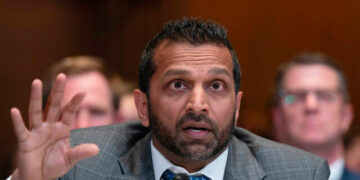
Tamas Szabo, CEO of Pepperstone
“One thing I think is important to make clear is that we are
not excluding anyone from joining, it’s about building a better and stronger
base in the Bahamas which benefits everyone, we really do put any competitive pressures
aside.”
Continue reading: Pepperstone UK Profit Jumps 81% to £18 Million in FY25
Generally, the FX and CFD industry in the Bahamas has shifted from a
light‑touch
offshore hub to a costlier but more structured jurisdiction, with tighter rules
and a growing cluster of internationally regulated brokers. The Securities Commission of The Bahamas oversees
forex and CFD brokers under a regime that has tightened significantly since
2020.
The Securities Industry (Contracts For Differences) Rules
2020, which came into force in May 2021, introduced leverage caps of up to
200:1 for retail, a ban on binary options, negative balance protection and
stricter marketing limits, including curbs on cold calling and aggressive
acquisition tactics.
Unusual for Offshore Jurisdictions
Unlike most offshore centres, where brokers typically
operate independently under local rules, this move brings together three multi‑jurisdiction
brokers to create a formal, broker‑led association, making the development a
notable outlier among rival offshore hubs.
This structure gives Bahamas‑licensed brokers a collective
platform that does not really exist in comparable jurisdictions such as
Seychelles, Belize or Vanuatu, where regulators and broad business chambers
usually dominate the conversation rather than product‑specific industry bodies.
BIFCI is a small structural change with a big signal: three
multi‑licensed brokers are trying to give an offshore booking center onshore‑style
industry plumbing, which suggests that “offshore” is being slowly
institutionalized rather than quietly ring‑fenced.
What to watch now is whether the Securities Commission of
The Bahamas chooses to formally recognize or actively use the Institute as a
consultative counterparty, whether large absentees such as IC Markets and FxPro
decide to join, and whether other booking hubs like Seychelles or Vanuatu feel
compelled to copy the trade‑body model.
A group of forex and CFD brokers has launched a new industry
body in the Bahamas, aiming to improve coordination among firms and strengthen
engagement with regulators in a growing offshore market.
Singapore Summit: Meet the largest APAC brokers you know (and those you still don’t!)
Trying to “Institutionalise” the Bahamas?
The Bahamas Institute of Forex and CFD Issuers (BIFCI) has
been established by Pepperstone, Capital.com, and Trade Nation. According to Tamas Szabo, the Group CEO of Pepperstone, the initiative
has been under development since April 2023 and is now operational.
Szabo said that the idea emerged
from shared challenges across licensed firms in the jurisdiction. These include
regulatory expectations, capital requirements, and market conduct standards.
“We have been working on developing this Bahamas industry
body www.bifci.com since April 2023 and now it has finally come to fruition. Looking
forward to working with other industry participants and if you are already in
the Bahamas or looking at the Bahamas as a jurisdiction of choice please feel
free to reach out.”
The latest development can be seen as a case of three onshore‑regulated heavyweights trying to “institutionalise” the Bahamas. Pepperstone, Capital.com and Trade Nation already answer to the FCA, ASIC and CySEC, yet they’re now importing that governance mindset offshore by creating a formal trade body around their SCB‑licensed entities.
There are strong industry bodies in big hubs, for example, trade associations and working groups in the UK, EU and Australia that interface with the FCA, ESMA or ASIC. However, those are onshore markets where the political economy has long supported such structures.
IC Markets, FxPro and Eightcap Missing
Although BIFCI has opened membership to all licensed brokers, the most interesting part is who is missing. Some of the largest SCB‑licensed brokers in the Bahamas, including IC Markets, FxPro, Eightcap, ActivTrades and Infinox, are not in the founding trio. This raises questions about whether they declined to join or were never approached.
“All these firms were invited and I have spoken with all of
them in quite a bit of detail. No one has declined and many of them are keen
and we have been on a number of meetings together. I just think it is going to
take a bit of time to formally expand the membership base. But informally, there
are a lot more firms involved,” Szabo exclusively told Finance Magnates.
Tamas Szabo, CEO of Pepperstone
“One thing I think is important to make clear is that we are
not excluding anyone from joining, it’s about building a better and stronger
base in the Bahamas which benefits everyone, we really do put any competitive pressures
aside.”
Continue reading: Pepperstone UK Profit Jumps 81% to £18 Million in FY25
Generally, the FX and CFD industry in the Bahamas has shifted from a
light‑touch
offshore hub to a costlier but more structured jurisdiction, with tighter rules
and a growing cluster of internationally regulated brokers. The Securities Commission of The Bahamas oversees
forex and CFD brokers under a regime that has tightened significantly since
2020.
The Securities Industry (Contracts For Differences) Rules
2020, which came into force in May 2021, introduced leverage caps of up to
200:1 for retail, a ban on binary options, negative balance protection and
stricter marketing limits, including curbs on cold calling and aggressive
acquisition tactics.
Unusual for Offshore Jurisdictions
Unlike most offshore centres, where brokers typically
operate independently under local rules, this move brings together three multi‑jurisdiction
brokers to create a formal, broker‑led association, making the development a
notable outlier among rival offshore hubs.
This structure gives Bahamas‑licensed brokers a collective
platform that does not really exist in comparable jurisdictions such as
Seychelles, Belize or Vanuatu, where regulators and broad business chambers
usually dominate the conversation rather than product‑specific industry bodies.
BIFCI is a small structural change with a big signal: three
multi‑licensed brokers are trying to give an offshore booking center onshore‑style
industry plumbing, which suggests that “offshore” is being slowly
institutionalized rather than quietly ring‑fenced.
What to watch now is whether the Securities Commission of
The Bahamas chooses to formally recognize or actively use the Institute as a
consultative counterparty, whether large absentees such as IC Markets and FxPro
decide to join, and whether other booking hubs like Seychelles or Vanuatu feel
compelled to copy the trade‑body model.