



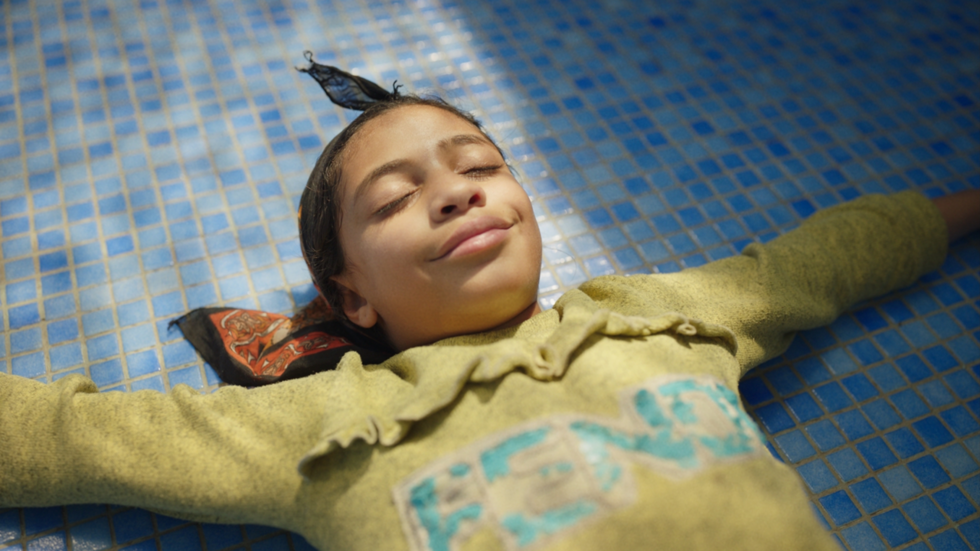
From the trifecta of prizes “Happy Birthday” earned during its Tribeca world premiere in 2025 to the multiple audience awards and other kudos it collected on the international festival circuit, plus, its selection as Egypt’s Oscar submission, the poignant drama is surely one of the best and most awarded foreign features still seeking U.S. distribution. Helmed and co-written by Sarah Goher, the first-ever Egyptian chosen as one of Variety’s 10 Directors to Watch, it illuminates disparities of wealth and class in contemporary Cairo through the affecting story of a resourceful 8-year-old maid whose devoted friendship with the daughter of the household she works for is frowned upon by her employers.
Goher, a screenwriter and producer making her feature debut, proves herself to be a director-writer of uncommon sensitivity. She draws a performance of astonishing depth from Doha Ramadan as Toha, the illiterate but street-smart young domestic who doesn’t yet understand her position in Egypt’s complex social hierarchy.
Popular on Variety
Smart, capable and quick-witted, Toha’s current joy comes from her relationship with Nelly (Khadija Ahmed), the spoiled granddaughter of her employer (Hanan Youssef), a tetchy, elderly diabetic. Toha helps to hide Nelly’s bed-wetting from her soon-to-be divorced mother Laila (Nelly Karim) and covers for her when she’s late or binging on ice cream. Meanwhile, Nelly enjoys having a friend of a similar age right in her own home and ignores her grandmother’s snide comments about Toha being a potential source of lice.
Now that Nelly’s father has left, financial worries cause the women to prepare to leave their modern home in an affluent gated community. Nelly’s ninth birthday celebration looks to be a casualty of the situation until Toha comes up with a clever plan to get Nelly the party of her dreams. But as the day progresses, Toha, who has no idea of when she was born and has never heard of birthday wishes, finds herself learning some hard lessons that leave the audience quietly devastated.
Goher’s carefully calibrated visuals in partnership with Seif El Din Khaled’s intimate cinematography perfectly establish the painful paradox of money and class. In the film’s opening moments, the two young girls in their pajamas and wildly curly hair play happily in a pink tent on the early morning of Nelly’s birthday. Sure, one has slightly darker skin and the other more delicate features, but they seem like equals. Then, after the adults come into the frame and Toha dresses in shapeless clothes and a headscarf, their social position and economic circumstances become much clearer. Nelly goes to school while Toha fetches and carries for the “Madames.”
Despite her menial work, Toha feels lucky. She hates the subsistence fishing that she would have to do if she lived with her family. Although she might not have her own bedroom at Nelly’s house, merely a couch in a living room, at least she has drawers in which to store her things, many of them Nelly’s castoffs. In contrast, at her mother’s ramshackle house the kids sleep where they can and must share all their clothes. No wonder, in her innocence, Toha tells Laila that she hopes she can stay with Laila and Nelly forever.
(Over)-confident in her ability to make things happen, Toha isn’t conscious of the class-prejudice her mismatched designer cast-offs and headscarf incite at the fancy boutique where she accompanies Laila. But the social boundaries she encounters there are also present in her employer’s household as well as at its very gates.
Unbeknownst to Toha, her employer arranges for Toha’s sister (Jomana Ibrahim) to pick her up so that she can’t participate in Nelly’s party, even though Toha believes that Nelly wants her there. As the sisters leave the complex, the gate guard insists on rummaging through the bags of food and clothing Laila has given them, even calling the house to make sure they had the right to take them. Fatme feels humiliated, but Toha is too busy plotting how to return from her rundown village near the Nile.
Ever enterprising, Toha does eventually make her way back to the party, but there, the ultimate dawning of her place outside of Nelly’s circle is heartbreaking. The sheer joy Goher has captured Ramadan experiencing earlier is replaced by confusion, pain and tears. Goher and her charismatic young star understand how to use cinema as a powerful empathy generator.
From the trifecta of prizes “Happy Birthday” earned during its Tribeca world premiere in 2025 to the multiple audience awards and other kudos it collected on the international festival circuit, plus, its selection as Egypt’s Oscar submission, the poignant drama is surely one of the best and most awarded foreign features still seeking U.S. distribution. Helmed and co-written by Sarah Goher, the first-ever Egyptian chosen as one of Variety’s 10 Directors to Watch, it illuminates disparities of wealth and class in contemporary Cairo through the affecting story of a resourceful 8-year-old maid whose devoted friendship with the daughter of the household she works for is frowned upon by her employers.
Goher, a screenwriter and producer making her feature debut, proves herself to be a director-writer of uncommon sensitivity. She draws a performance of astonishing depth from Doha Ramadan as Toha, the illiterate but street-smart young domestic who doesn’t yet understand her position in Egypt’s complex social hierarchy.
Popular on Variety
Smart, capable and quick-witted, Toha’s current joy comes from her relationship with Nelly (Khadija Ahmed), the spoiled granddaughter of her employer (Hanan Youssef), a tetchy, elderly diabetic. Toha helps to hide Nelly’s bed-wetting from her soon-to-be divorced mother Laila (Nelly Karim) and covers for her when she’s late or binging on ice cream. Meanwhile, Nelly enjoys having a friend of a similar age right in her own home and ignores her grandmother’s snide comments about Toha being a potential source of lice.
Now that Nelly’s father has left, financial worries cause the women to prepare to leave their modern home in an affluent gated community. Nelly’s ninth birthday celebration looks to be a casualty of the situation until Toha comes up with a clever plan to get Nelly the party of her dreams. But as the day progresses, Toha, who has no idea of when she was born and has never heard of birthday wishes, finds herself learning some hard lessons that leave the audience quietly devastated.
Goher’s carefully calibrated visuals in partnership with Seif El Din Khaled’s intimate cinematography perfectly establish the painful paradox of money and class. In the film’s opening moments, the two young girls in their pajamas and wildly curly hair play happily in a pink tent on the early morning of Nelly’s birthday. Sure, one has slightly darker skin and the other more delicate features, but they seem like equals. Then, after the adults come into the frame and Toha dresses in shapeless clothes and a headscarf, their social position and economic circumstances become much clearer. Nelly goes to school while Toha fetches and carries for the “Madames.”
Despite her menial work, Toha feels lucky. She hates the subsistence fishing that she would have to do if she lived with her family. Although she might not have her own bedroom at Nelly’s house, merely a couch in a living room, at least she has drawers in which to store her things, many of them Nelly’s castoffs. In contrast, at her mother’s ramshackle house the kids sleep where they can and must share all their clothes. No wonder, in her innocence, Toha tells Laila that she hopes she can stay with Laila and Nelly forever.
(Over)-confident in her ability to make things happen, Toha isn’t conscious of the class-prejudice her mismatched designer cast-offs and headscarf incite at the fancy boutique where she accompanies Laila. But the social boundaries she encounters there are also present in her employer’s household as well as at its very gates.
Unbeknownst to Toha, her employer arranges for Toha’s sister (Jomana Ibrahim) to pick her up so that she can’t participate in Nelly’s party, even though Toha believes that Nelly wants her there. As the sisters leave the complex, the gate guard insists on rummaging through the bags of food and clothing Laila has given them, even calling the house to make sure they had the right to take them. Fatme feels humiliated, but Toha is too busy plotting how to return from her rundown village near the Nile.
Ever enterprising, Toha does eventually make her way back to the party, but there, the ultimate dawning of her place outside of Nelly’s circle is heartbreaking. The sheer joy Goher has captured Ramadan experiencing earlier is replaced by confusion, pain and tears. Goher and her charismatic young star understand how to use cinema as a powerful empathy generator.